
Chinoy Food Isn’t Just Food – It’s A Memory You Can Eat
Why Chinoy Food Is a Memory You Can Eat
The first thing I notice is the smell—garlic sizzling in hot oil, steam rising from familiar dishes, and the soft chaos of busy streets around me. Every time I find myself in Binondo, it feels like I’m stepping into something I didn’t realize I missed until I’m already there. It’s strange how food can do that—how it can pull you back without warning.
Growing up, meals were never just about eating for me. I remember sitting around the table with my family, waiting as plates slowly filled the center, everyone talking over each other, laughing, reaching for food at the same time. That’s when I started to understand that Chinoy food—shaped by Chinese-Filipino heritage—isn’t just something we eat. It’s something we live with, something that quietly becomes part of us over time.
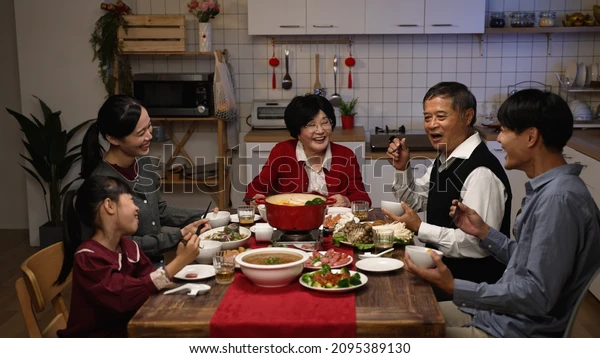
Image Source: stutterstock’s Website
Now, whenever I’m in Chinatown, it feels like I’m collecting small pieces of memory I didn’t know I still had. Every dish reminds me of someone, some moment, some version of home. And with every bite, I’m not just tasting food—I’m remembering who I was, and somehow, feeling close to it again.
Reasons Why Binondo Chinoy Food Feels Like a Memory You Can Taste
1. Recipes Older Than Generations
Whenever I think about Chinoy food, I realize a lot of it was never really “taught” in a formal way. In my experience, recipes were something you picked up by watching, tasting, and slowly figuring things out over time. I remember being told to “just use your feelings”—or as we say, tancha-tancha—no exact measurements, just instinct.
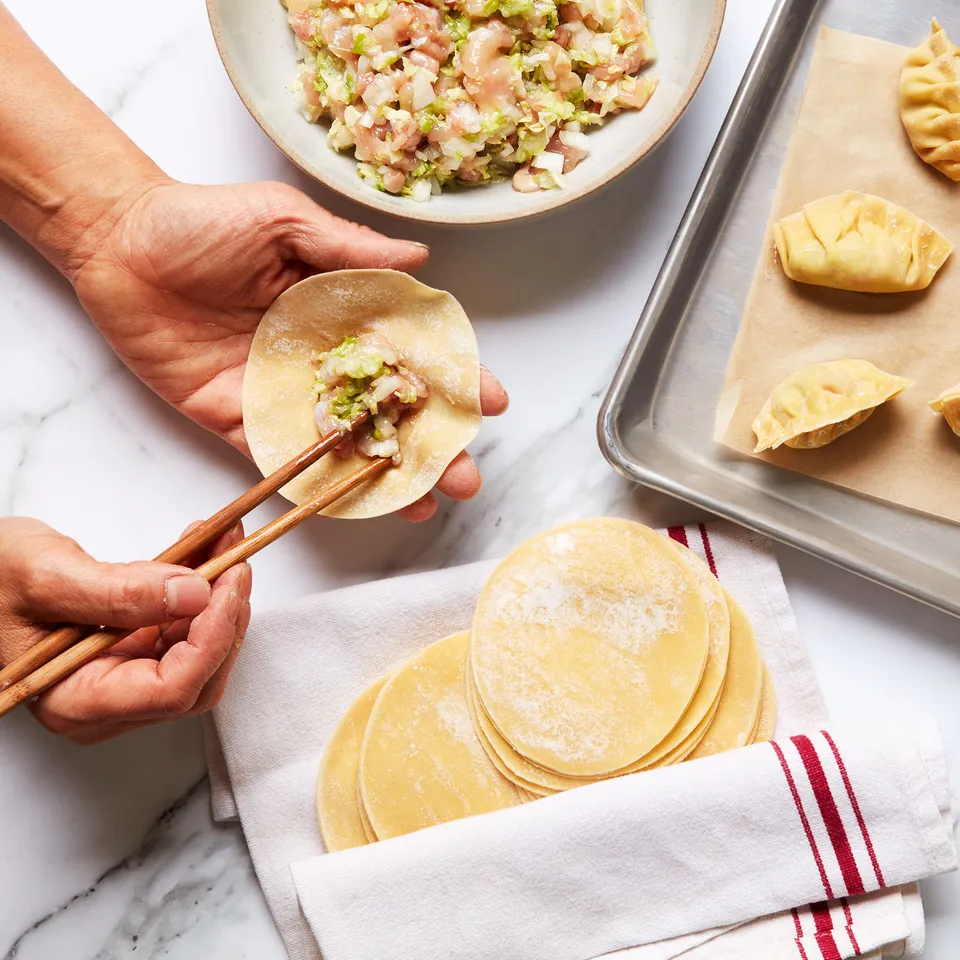
Image Source: Photo by Joseph De Leo, Food Styling by Lillian Chou via epicurious’ Website
Some of these dishes feel like they’ve been around long before me, passed down without ever being written. And honestly, that’s what makes them special. Every dish feels like it carries something older than me. When I eat it, it feels like I’m tasting a piece of history that will still exist long after I’m gone—like being quietly connected to people I’ve never even met.
2. Communal Eating as a Ritual
In my family, meals were never really meant to be eaten alone. I grew up with dishes always placed in the center of the table, everyone reaching in, passing plates, talking over each other. It was loud, a little messy, and honestly, really comforting.
I also remember how we’d sometimes wait for the eldest at the table to start eating first before the rest of us followed. It wasn’t something we questioned—it was just understood, a quiet way of showing respect.
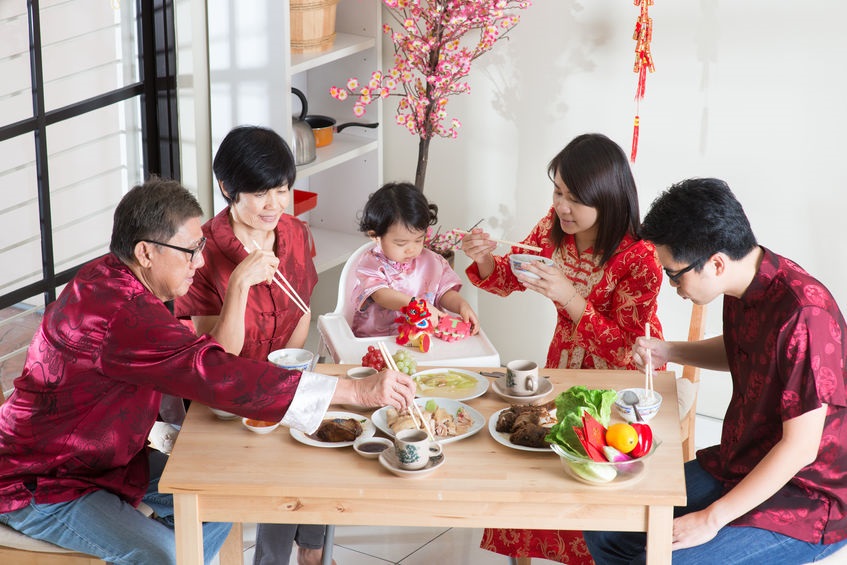
Image Source: Chili House’s Blog Website
Over time, I realized that’s just how Chinoy meals are—shared by default. It’s not just about eating; it’s about being part of something. Every meal becomes a small moment of connection, like we’re all catching up through food instead of words.
3. The Atmosphere of Binondo
Every time I walk through Binondo, it feels different from anywhere else. The red lanterns, the crowded streets, the smell of food everywhere—it all feels alive in a way that’s hard to explain. Even the noise feels familiar somehow, like something I’ve known for a long time.
I know Binondo has changed over the years—new buildings, busier streets, more people—but somehow, it still feels the same. At least, in the way it matters. For a lot of Chinoys, it’s not just a place that changes with time, but something that stays constant in our hearts.
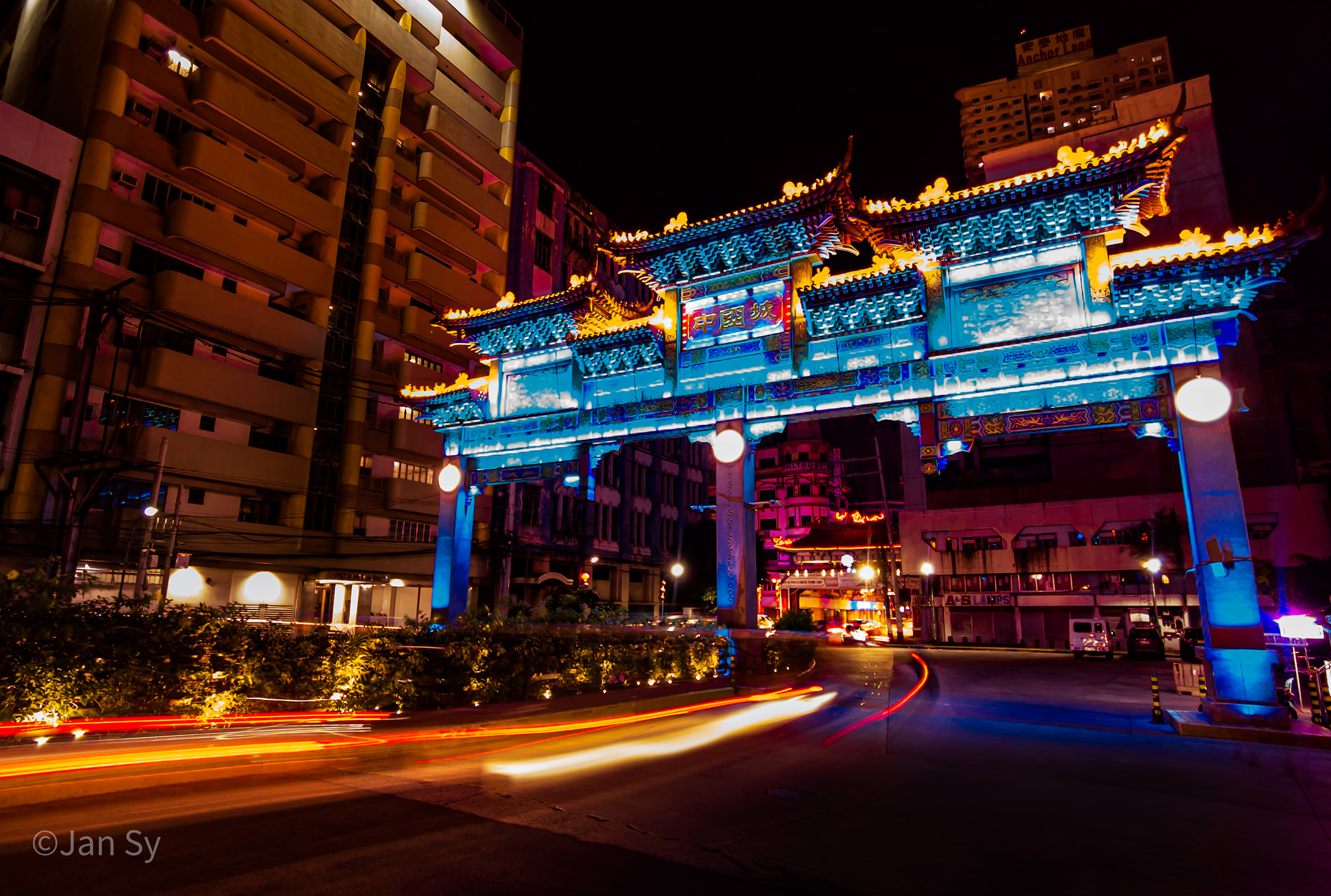
Image Source: Jan Sy
What’s interesting is that the same dish doesn’t taste the same anywhere else. In Binondo, it just hits differently. It feels like the place itself becomes part of the flavor, like the streets are quietly holding onto the memories of every meal ever shared there.
4. Food as the Center of Celebration
In my experience, celebrations in Chinoy families always begin and end with food. It’s the center of everything—the reason people gather, the way moments are marked, and how meaning is shared without needing to say it out loud. Whether it’s birthdays, family reunions, Lunar New Year, the Mid-Autumn Festival, or even Filipino-Chinese Friendship Day every June 9, each occasion has its own set of dishes that carry tradition with them. I grew up seeing plates of pancit for long life, tikoy for sweetness and unity, and mooncakes passed around during Mid-Autumn, each one holding a quiet wish for the people at the table.
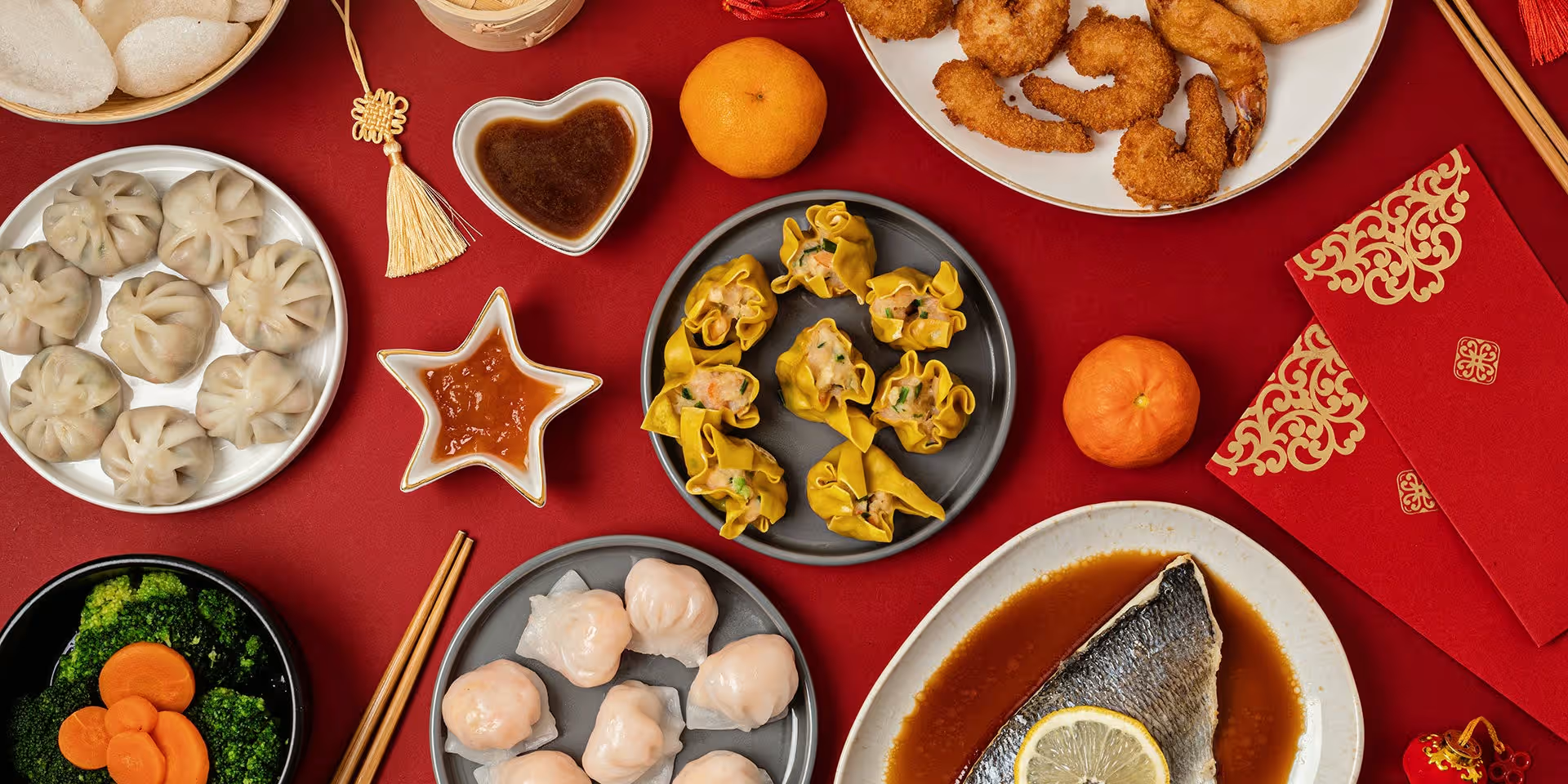
Image Source: Flori Bengescu / Getty Images via History Channel’s Website
Going back to Binondo during these moments has become a tradition for me. The narrow streets packed with people, servers weaving through tight spaces with trays of steaming dishes, the constant clatter of plates and overlapping conversations—it’s a kind of chaos that feels familiar and comforting.
In that space, surrounded by the same energy and the same food, time doesn’t feel like it’s moving forward. Sometimes it feels like I’m stepping into the same moment over and over again—reliving it, one meal at a time.
When Food Becomes Memory and Identity
Chinoy food is more than something you eat—it’s something you carry with you. It holds memory, culture, and identity all at once. Places like Binondo become more than physical locations; they turn into emotional spaces where stories are both preserved and created.
When I think back on these meals, what stays isn’t just the taste—it’s the feeling. The warmth of sitting around a table, the familiarity of shared dishes, the quiet understanding that these moments matter.
Because in the end, Chinoy food isn’t just food.
It’s a memory you eat.
About the Author
