More Than Play: The Chinoy Tao Ke Driving Gaming Culture Forward
There’s a certain kind of 气 (qì – energy / vibe) you instantly feel when you walk into a room full of people who love the same things you do. It hums. It builds. It lingers in the background like a soundtrack waiting to swell.
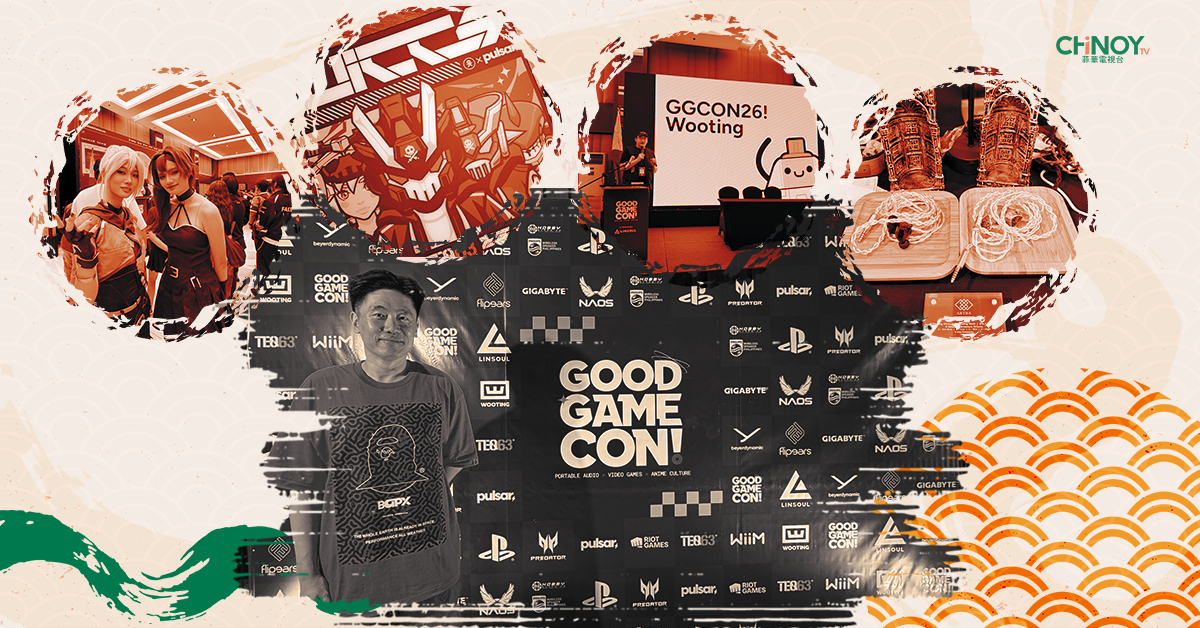
That was the feeling inside Sequoia Hotel, Quezon City during the first-ever Good Game Con held on April 18, Saturday.
Good Game Con didn’t follow the usual video game or anime convention playbook. There were no sprawling halls or overwhelming schedules. Instead, the exhibitors and product demos felt considered, almost intimate. The common thread? Sound. Not just as a technical feature, but as an emotional anchor—something that binds gaming and anime fans more deeply than they might even realize.
In true Chinoy fashion, the event didn’t try to overwhelm. It chose to connect. And in that bid for connection, something quietly powerful started making noise: the unmistakable imprint of a thriving Chinoy presence shaping both the culture and the business of gaming and anime in the Philippines.
At the center of it all was Tao Ke Stephen Ong, Chinoy founder of Rotobox PH–a retailer and distributor of audio and gaming peripherals, also serving as the backbone of Good Game Con. His approach to the convention felt less like staging an event, and more like hitting SHUFFLE on his favorite anime playlist inviting everyone to listen—an experience that connected people who may have always existed in Stephen’s circles, but never quite in the same room.
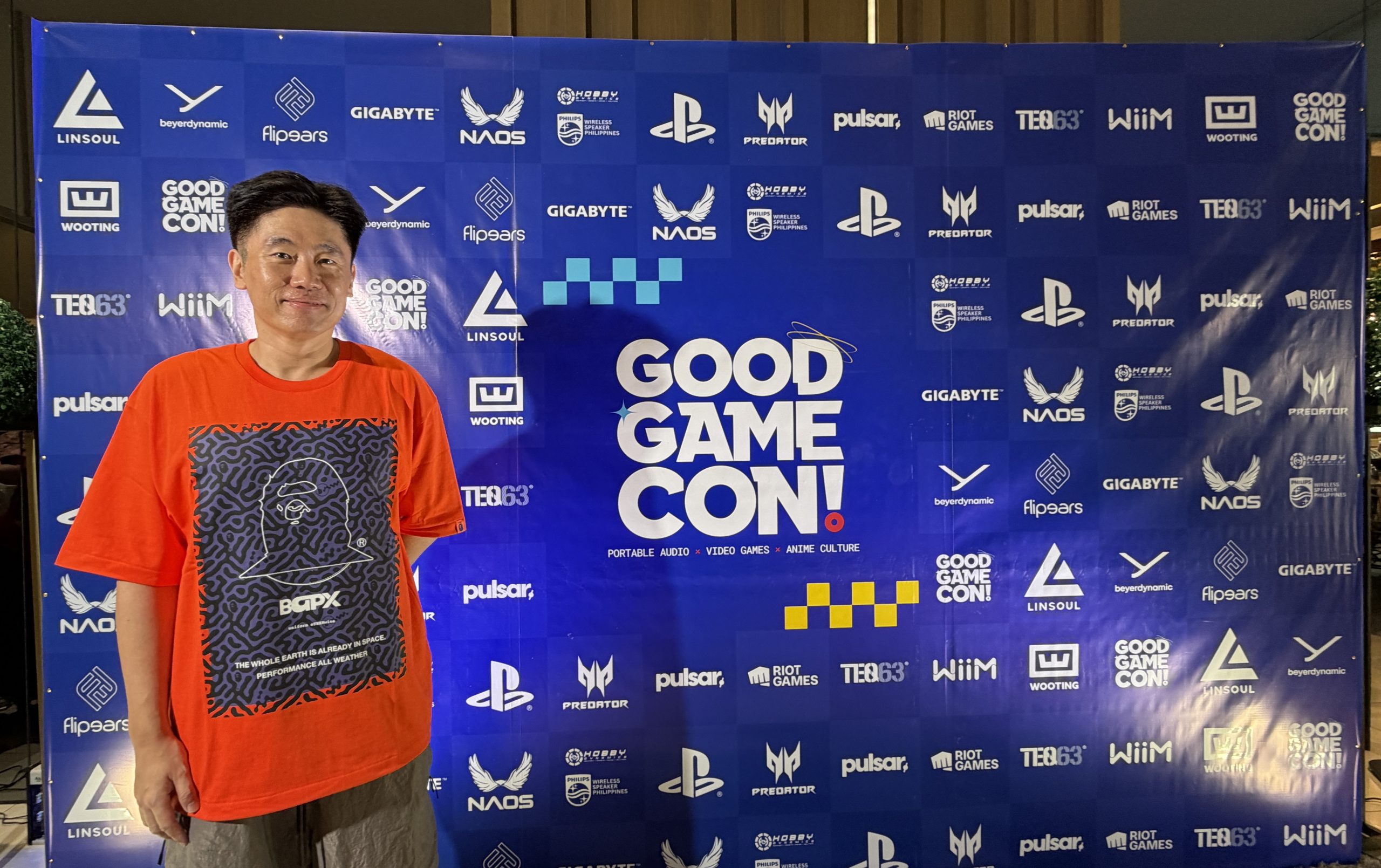
Chinoy Tao Ke Stephen Ong
It’s a perspective Ong understands instinctively. Forty years spent immersed in both worlds gave him a kind of cultural fluency that’s hard to manufacture. What he built through Rotobox wasn’t just a distribution business—it was a way of translating global innovations in audio and gaming gear into something local, accessible, and deeply relevant.
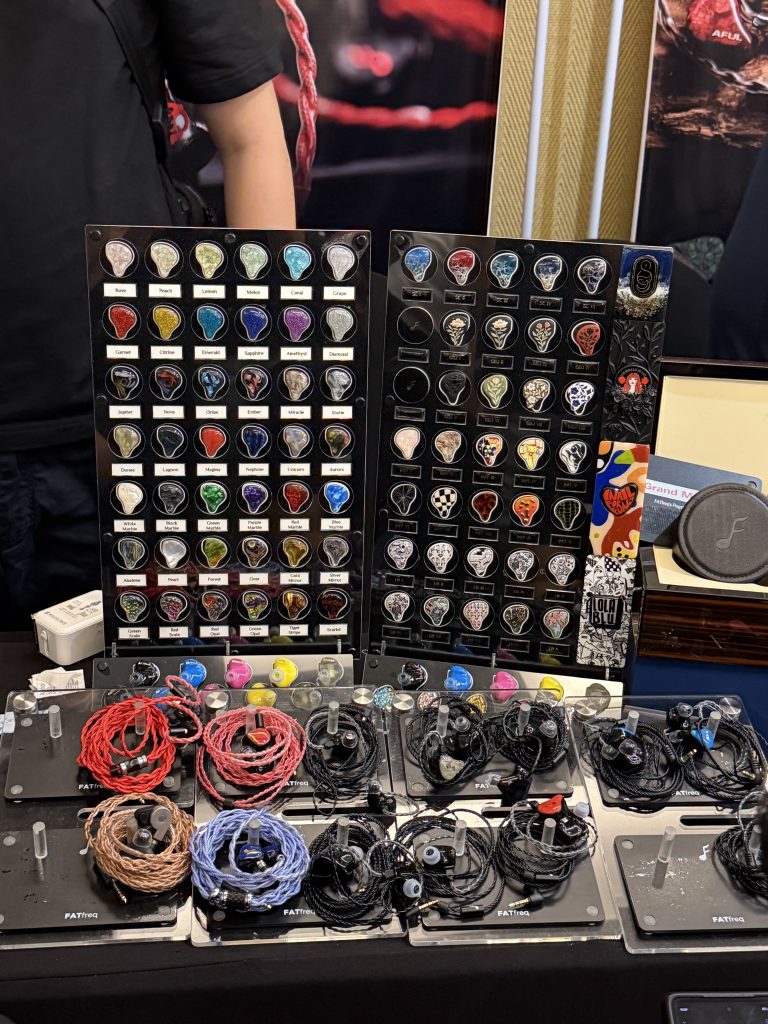 FATfreq customizable in ear monitors scaled |
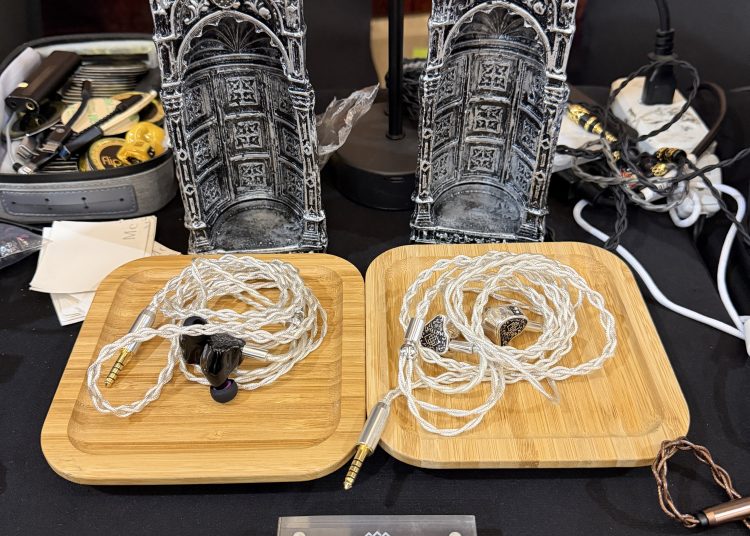 Artha Argentum in ear monitors scaled |
For generations, Chinoy entrepreneurship has been defined by adaptability and foresight. But at Good Game Con, that narrative felt refreshed—less about tradition, more about transformation. Here were customers, creators, and curators channeling their personal passions into ventures that sit at the intersection of lifestyle and livelihood.
You could feel it in the details: in booths that didn’t just sell products, but invited conversation; in creators who spoke as much about their favorite characters as they did about their craft; in the easy, natural way commerce and community coexisted.
A collaboration with street and toy artist, Quiccs Maiquez, for instance, captured that blend perfectly—where collectible design meets everyday functionality, and fandom becomes something you can physically experience. Elsewhere, gaming challenges and product demos became less about competition and more about shared moments—tiny, fleeting connections between strangers who already understood each other.
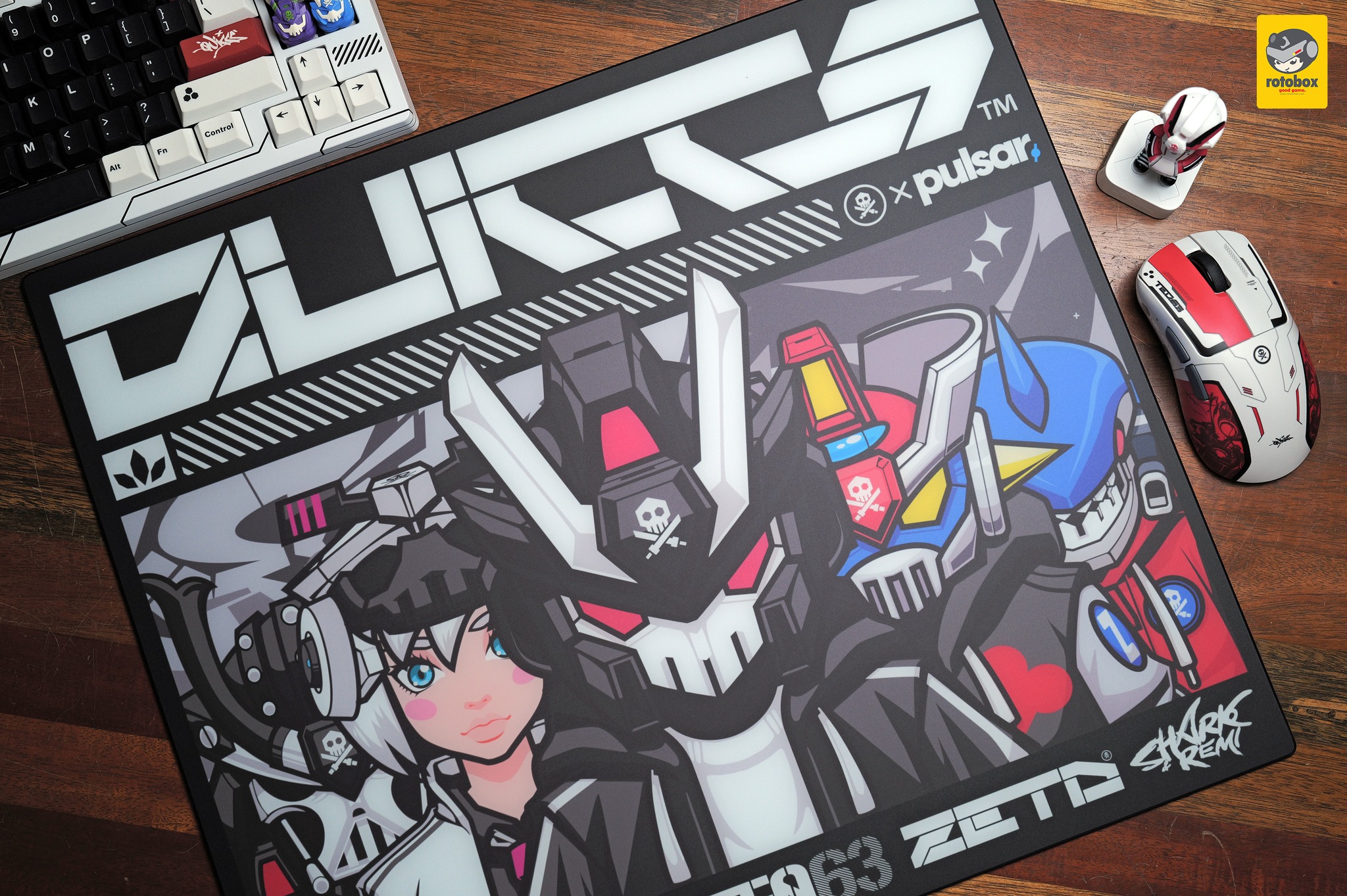
Pulsar x Quiccs-Collab a Good-Game Con exclusive
There’s often a spotlight on Chinoy excellence in business, but events like this reveal another layer: the role of the community and 关系 (guān xì – relationships) as cultural participants. As fans. As storytellers. As people who show up not just to make business, but to belong.
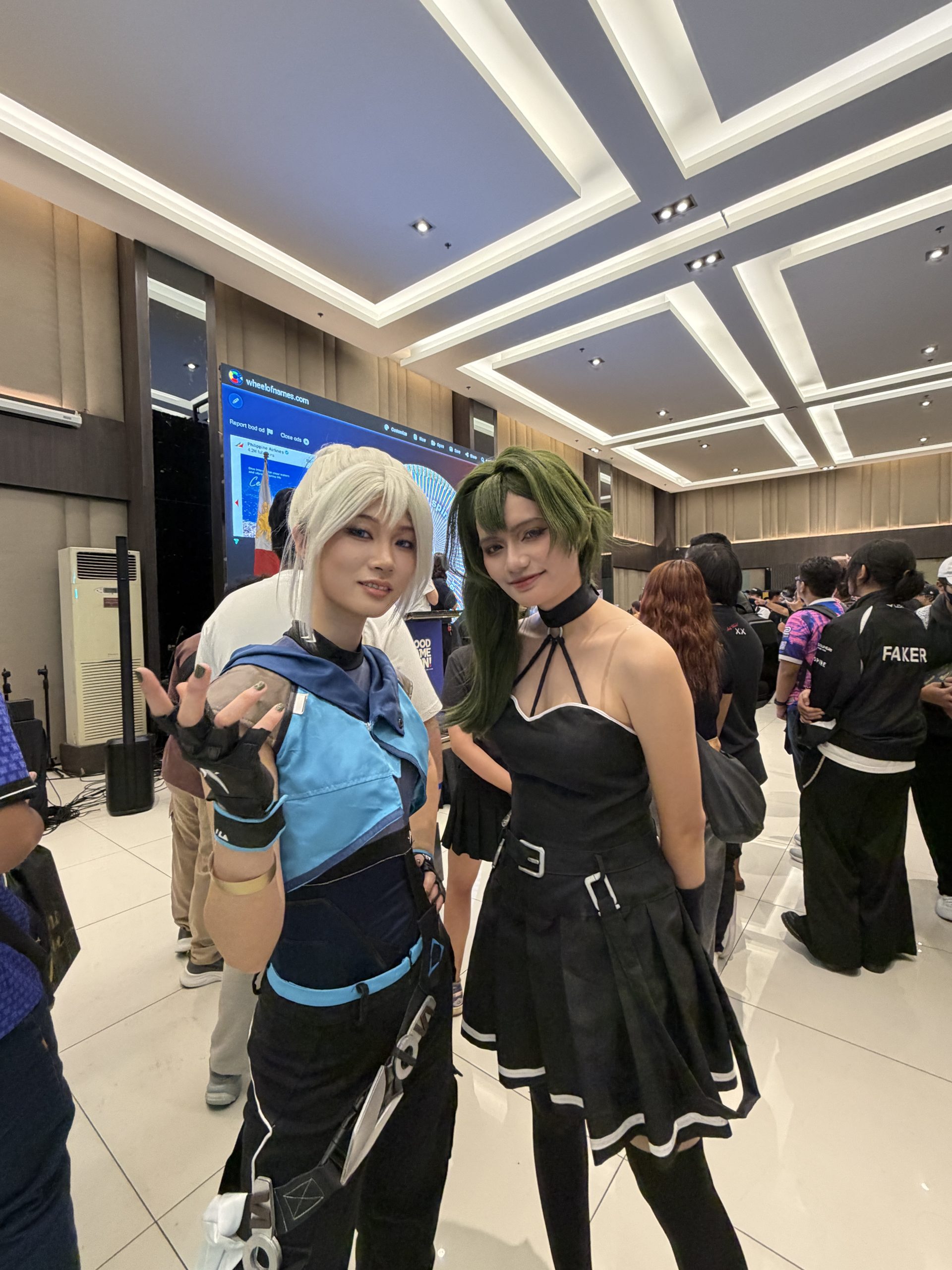
Ubel (Mon Kei) and Jett (Mira Rae)
Because for every entrepreneur carving out space in the industry, there are countless others simply enjoying it—trying on a new headset, testing a keyboard, geeking out over an anime reference that only a handful of people in the room might catch. And in those moments, success looks different. It’s quieter, but no less meaningful.
It brings community and 关系 (guān xì) to Lvl 99.
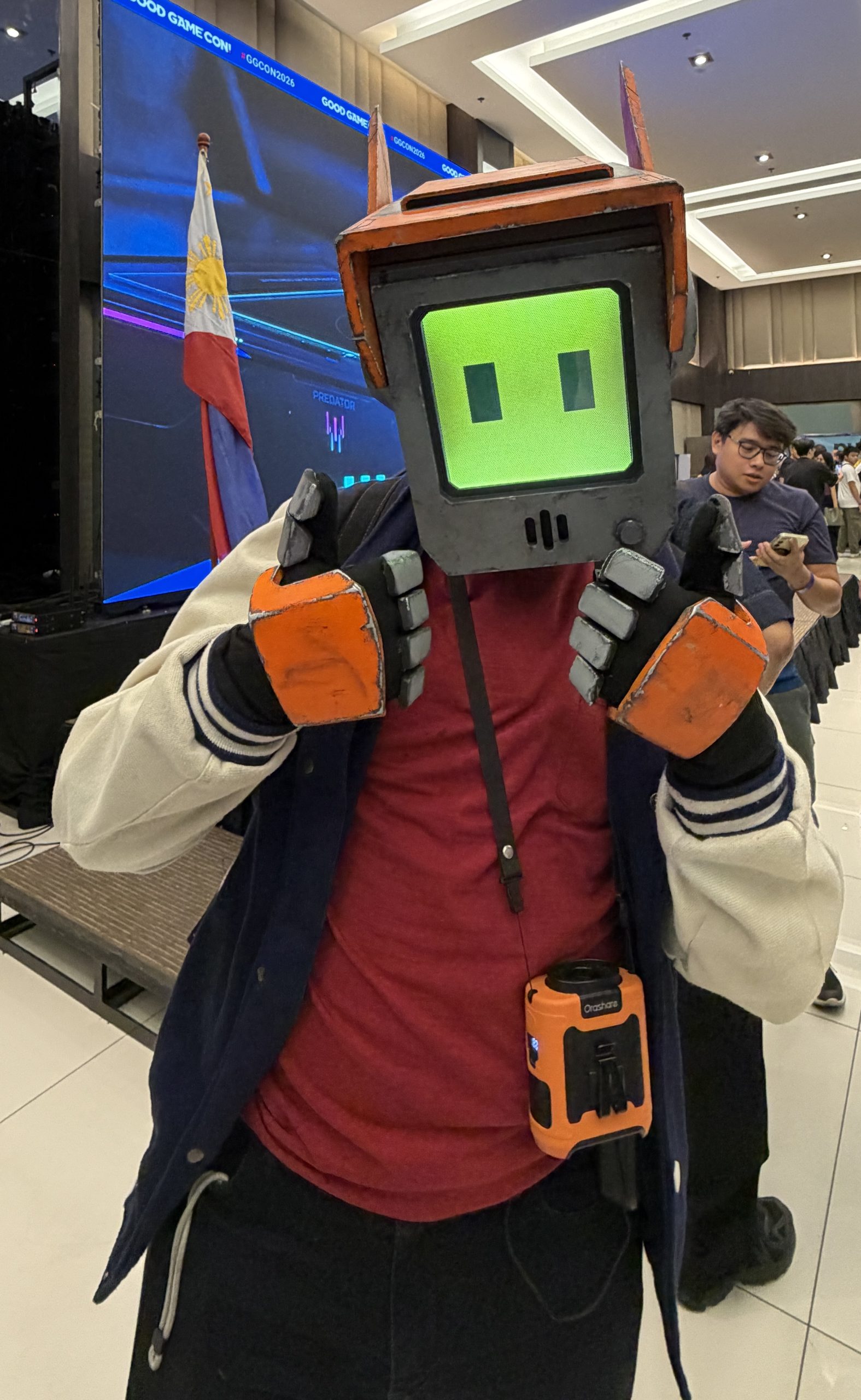
Momo from Stray
That duality—of business and belonging—feels especially relevant today. The lines between consumer and creator, audience and entrepreneur, are increasingly fluid. And within the Chinoy community, that fluidity seems to come naturally. Passion projects evolve into 生意 (seng di – business). Side interests turn into full-fledged ventures. And along the way, entire ecosystems begin to take shape.
Good Game Con felt like a snapshot of that ecosystem in motion.
Even the presence of international brands like WOOTING from The Netherlands hinted at something bigger: that what’s being built locally is starting to attract global attention. But beyond market signals and industry milestones, what mattered more was the atmosphere on the ground—one that felt inclusive, curious, and deeply personal.
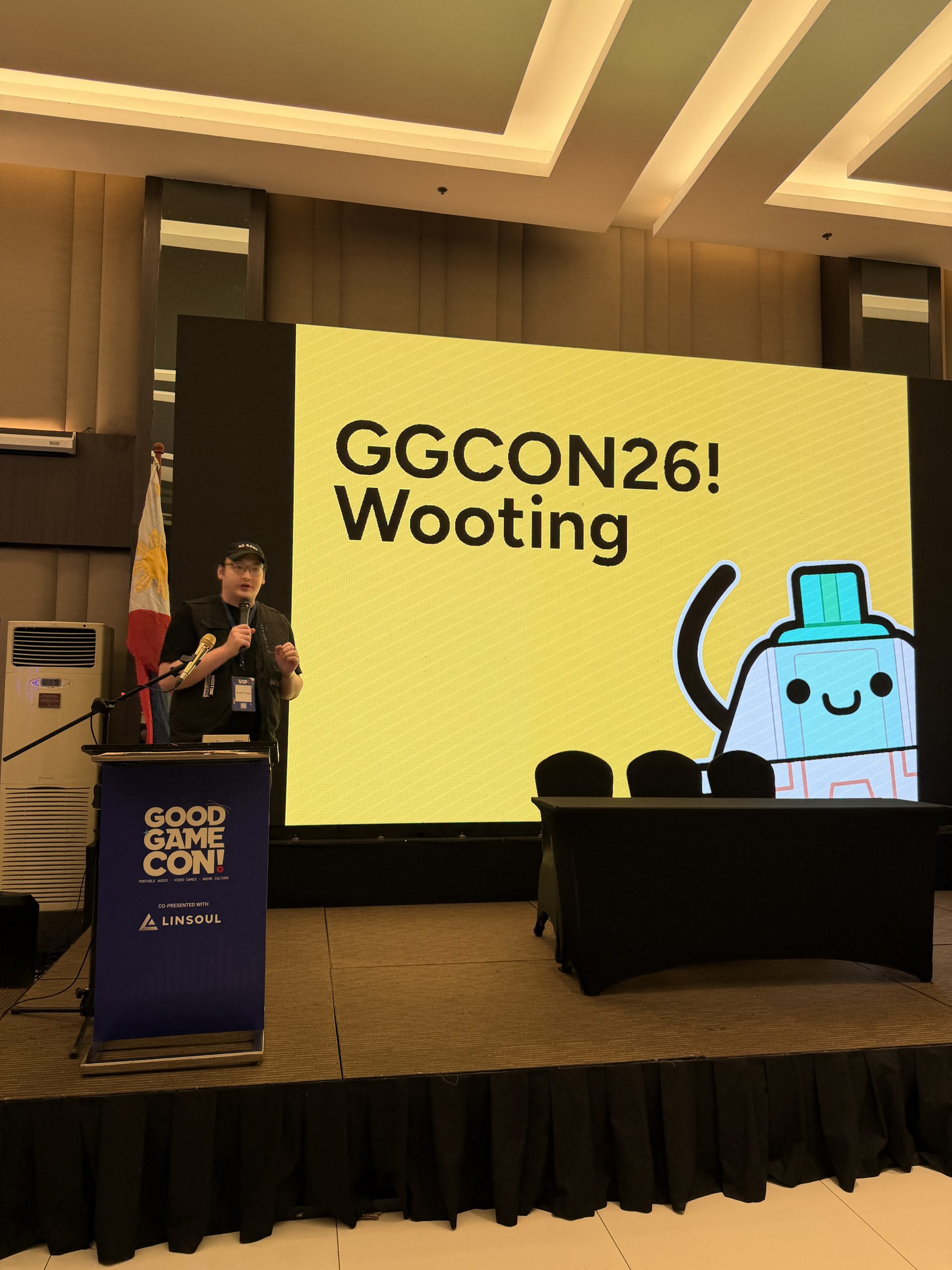
WOOTING all the way from the Netherlands and Taiwan HQ
It wasn’t about scale. It was about intention.
As the day wound down, the energy didn’t so much disappear as it settled—like the final note of a song that stays with you long after it ends. You walked away not just with purchases or photos, but with a renewed sense of what community can look like when it’s allowed to grow on its own terms.
For the Chinoy gamers, anime fans, and entrepreneurs who filled that space, Good Game Con wasn’t just an event. It was a reflection—of how far Chinoys have come in non-traditional industries like gaming and anime, and how much further they can go.
And if this is what Lvl 1 looks like, I hope we never press pause.
About the Author