
Cua Couple Speaks: Why Should Chinoy Parents Teach Their Kids Chinese at Home
Hokkien Language: A Sense of Identity, Beloningness, and Pride
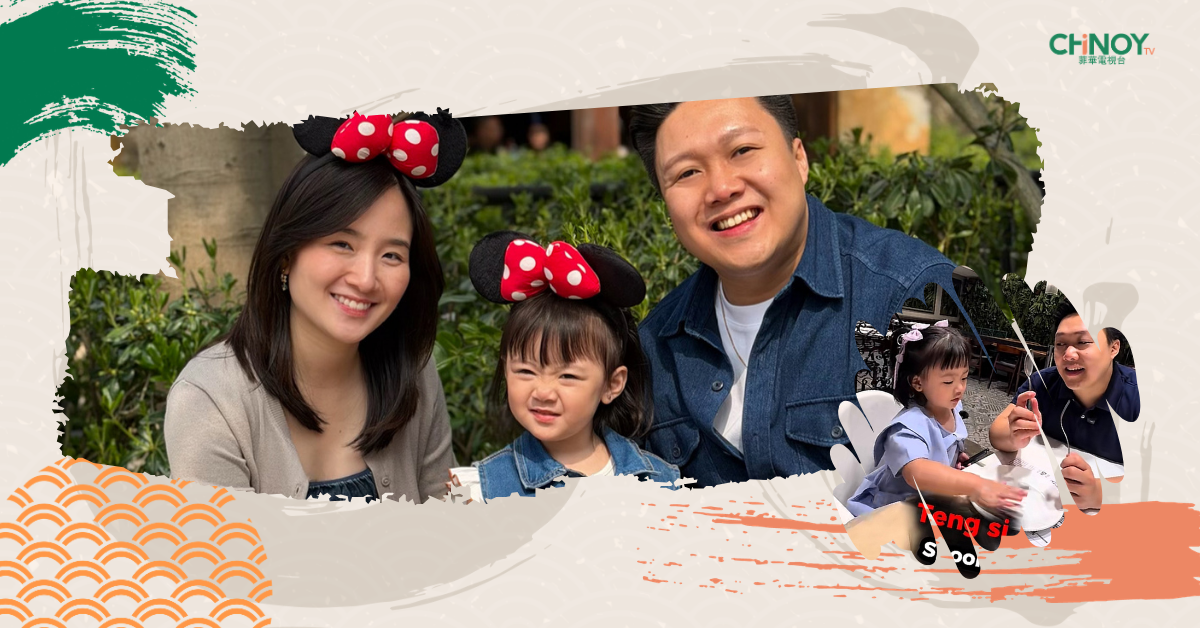
From creating trendy videos to finding their purpose in the digital space, Samuel Best (Sam) and Jannine Micah Cua have grown into sharing their passion for teaching the Chinese language and highlighting how it can evoke a sense of identity, belongingness, and pride.
This is evident on their platform through skits, tutorials, and vlogs that incorporate Hokkien into everyday conversations to help audiences become more familiar with the language. While on the surface, their videos may seem fun and trendy, behind them lies a deeper purpose: promoting the value of one’s language and encouraging respect for heritage and culture.
Through their platform, they emphasize why Chinese is important for Chinoys, especially children, and how language can keep them rooted and grounded in the culture they belong to.
Cua Couple on Learning the Importance of Chinese Language
As fate plays a role in many people’s lives, for Sam and Jannine, destiny played its cards right when they met during a study tour.
They recalled, “We first met during the Xiamen China Study Tour in 2008 at HuaQiao University. It was a study tour sponsored by Mr. Lucio Tan for Filipino-Chinese students in the Philippines. We came from different schools in Manila, but coincidentally ended up as classmates during the tour, which eventually led to a friendship.”
That friendship remained and, after nine years, eventually blossomed into a relationship. Years later, it redirected them into their content creation endeavors. While building their craft online, the couple realized:
“We were surprised to discover that many Chinoys resonated with our content because a lot of them felt they were not ‘Chinese enough’ due to their limited Hokkien skills. That encouraged us to continue sharing in a more authentic and relatable way.”
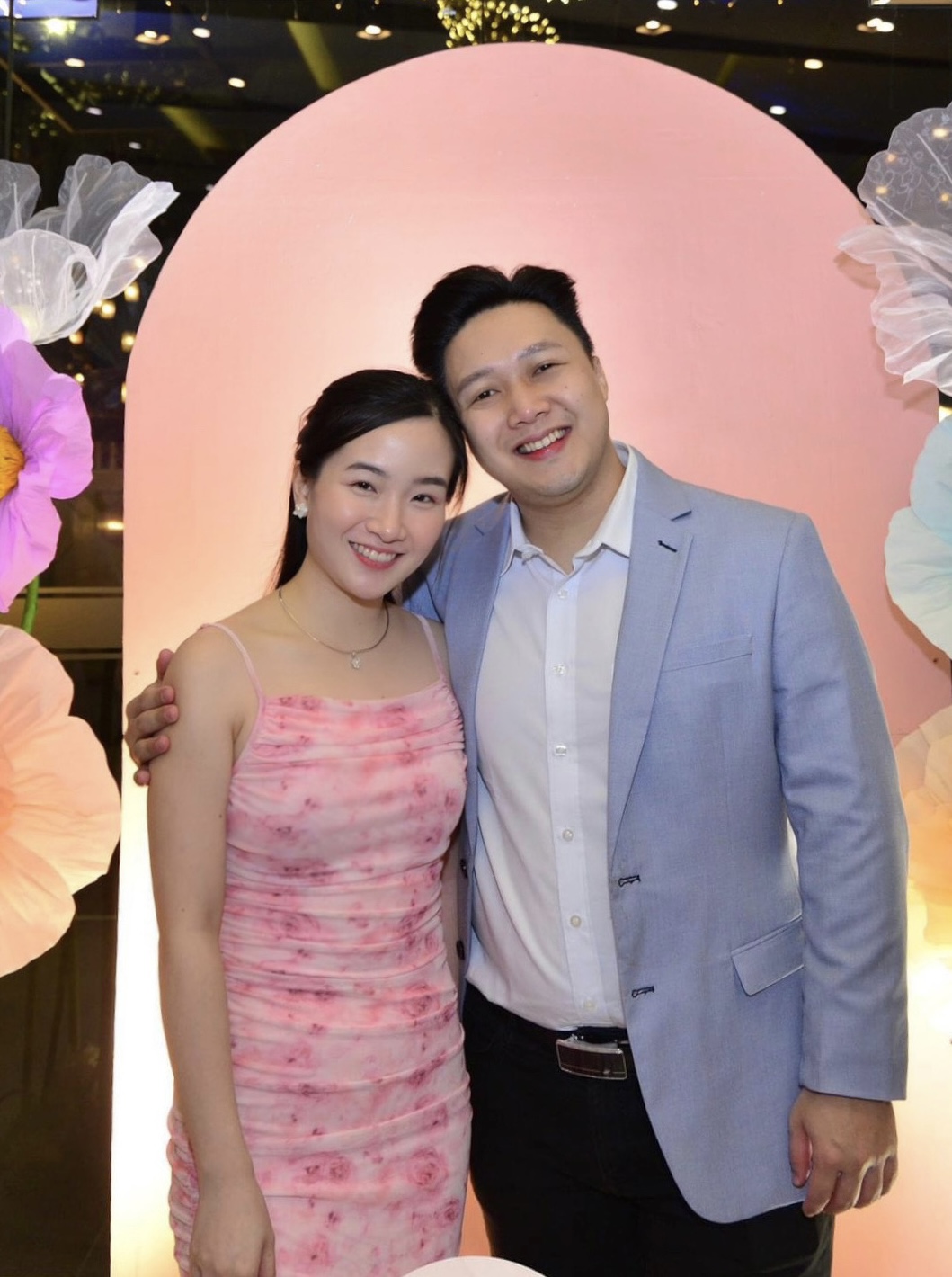
With this realization, the couple found a deeper purpose for their platform.
“We also learned the importance of staying true to who we are. At first, we were very focused on trends and views, but eventually we realized that our purpose was not simply to go viral. We genuinely want to share our culture, language, and everyday experiences as a Chinoy family.”
Through this, they realized why speaking Hokkien is a way to honor one’s roots and show pride in being part of the Filipino-Chinese community. They personally shared their sentiments:
Sam: “Yes, especially whenever I meet Chinoys who speak Hokkien much better than I do. There are actually many fluent speakers who are not content creators. I feel inspired to talk to them more and continue improving.”
Jannine: “Yes, definitely. Growing up, I spoke more Tagalog and Bisaya, so I eventually realized that I needed to improve my Hokkien. Sam helped me a lot in this aspect since he is more comfortable conversing in Hokkien. It made me appreciate how language helps deepen one’s connection to family and heritage.”
Along with this, the couple also wants to integrate their Hokkien content into their family life to show why teaching children Chinese at home can be beneficial.
“We hope to continue sharing authentic lifestyle and family content as a Chinoy couple. As we go through different stages of life and parenthood, we simply want to document and share those experiences naturally.”
Now, the Cua couple are not just content creators, but also trailblazers in representing parents raising multilingual children — promoting the mindset that every language is just as important because it teaches children to appreciate their culture.
Why Teaching Your Kids Chinese at Home is Important
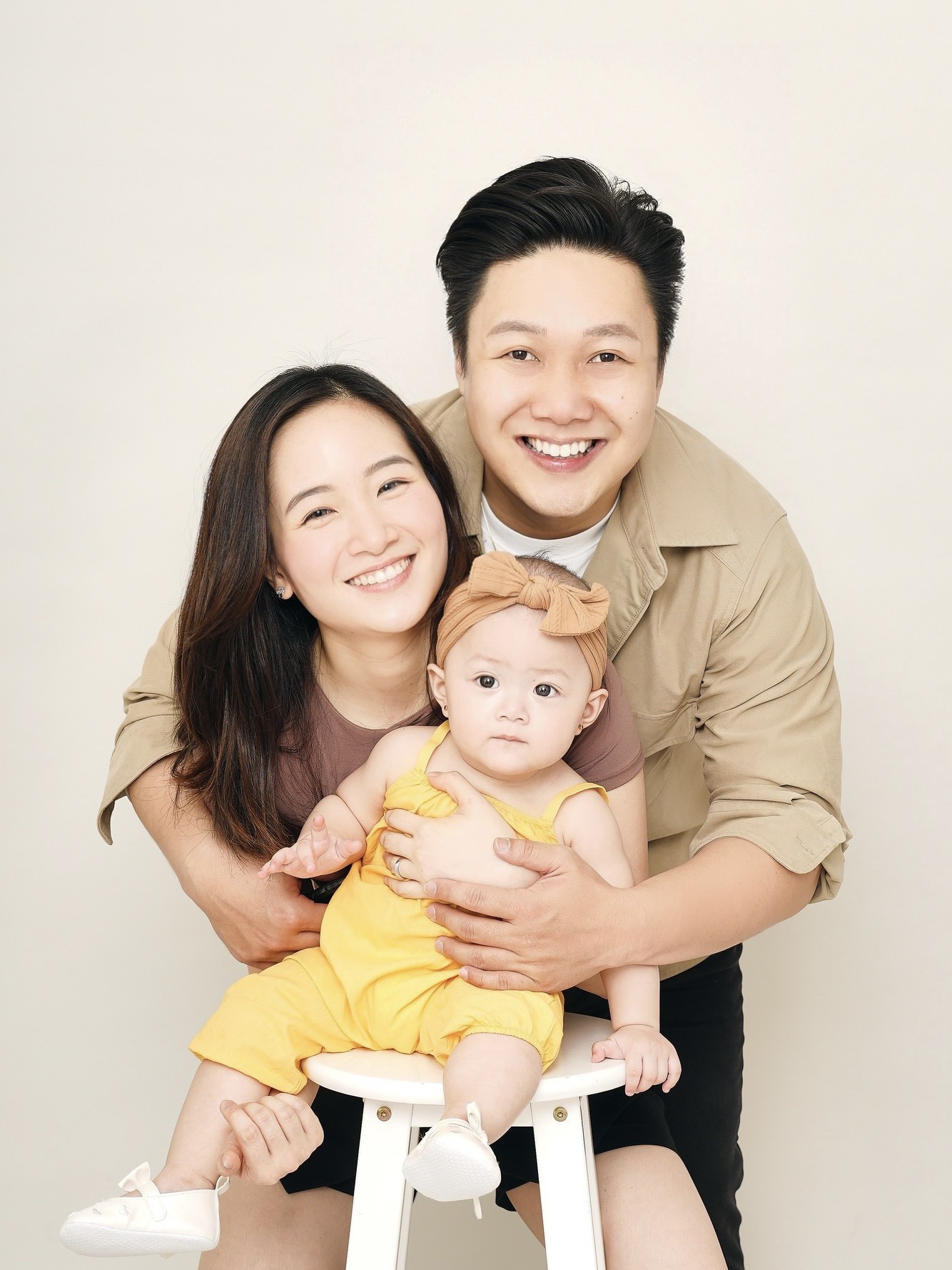
As parents, the Cua couple believes that prioritizing one’s language at home can prevent cultural disconnection and identity confusion when a child reaches adulthood. To keep their daughter, Shine, more connected to their culture, they emphasized that teaching Hokkien requires more “intentional exposure and practice within the family.”
With this in mind, they created a system at home to help their daughter become multilingual. “As much as possible, we try to practice a ‘one person, one language’ approach at home. Sam speaks to our daughter in Hokkien, our helpers talk to her in Tagalog, while Jannine speaks to her in Bisaya. English and Mandarin are learned in school.”
In relation to their content creation, they now plan to continue producing multilingual family videos to show how other parents can also incorporate this method with their children.
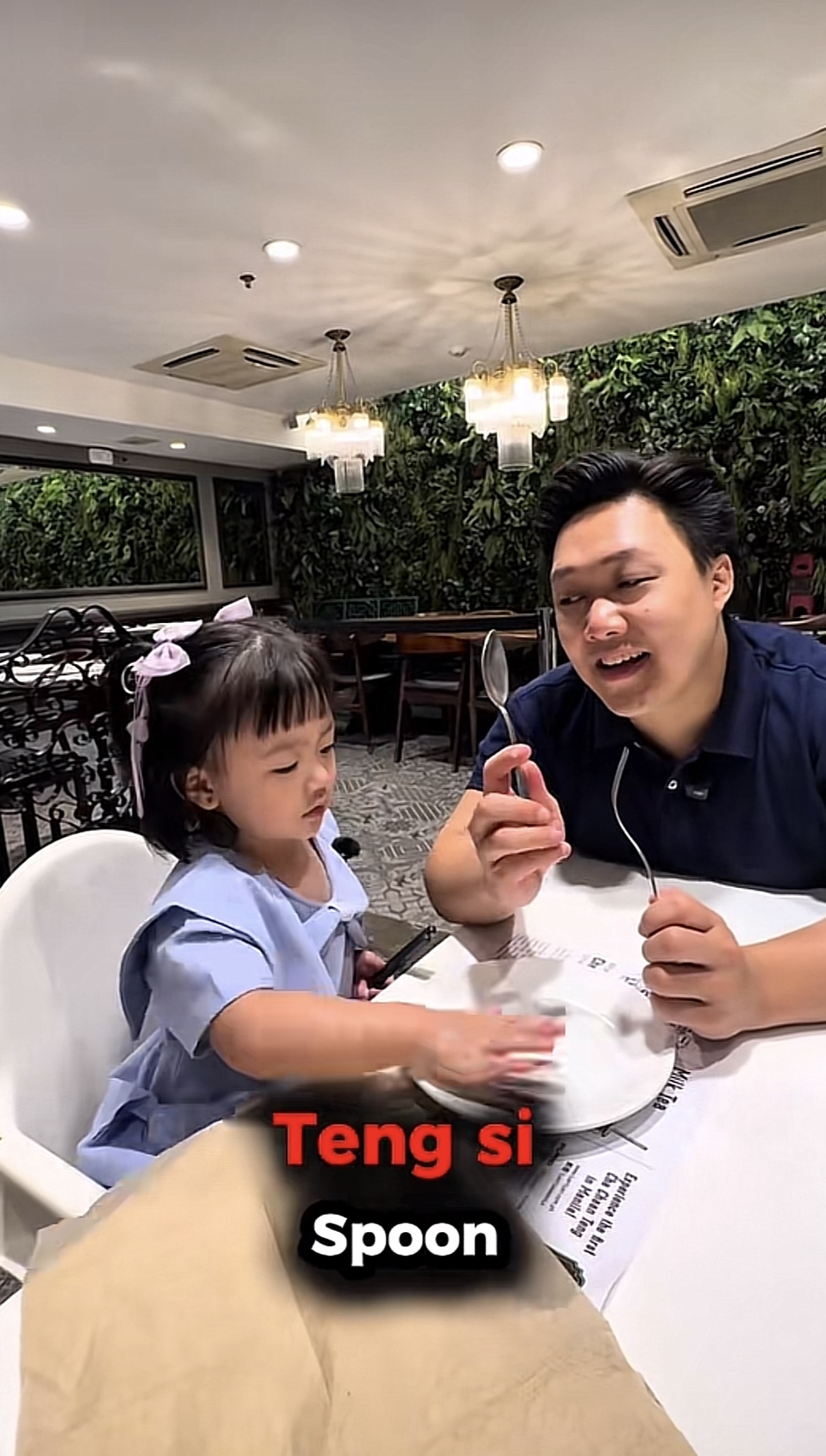
The couple also mentioned why consistency is key when teaching children Hokkien. They try to use Hokkien daily with their daughter, even with a limited vocabulary, because language learning develops through constant exposure and habit.
The couple explained, “We often compare it to how many Filipino adults are not fully fluent in English yet still naturally speak it to their children. Surprisingly, children quickly pick it up and eventually communicate well. The same applies to Hokkien or Mandarin. It is also a two-way learning process—parents grow and learn alongside their child.”
The couple also tries to use positive reinforcement to make the learning experience enjoyable for their daughter. They shared, “Instead of correction through shame, which can discourage children from speaking, we encourage and support them as they learn.”
The Cua couple also realized that communication is more important than memorizing vocabulary because their daughter absorbs words more naturally. They let their daughter hear complete phrases and natural conversations so she can learn proper usage, tone, and expression.
To their surprise, “She suddenly started using words we never explicitly taught her,” which showed them that children absorb more than they realize.
More than simply learning how to speak the language, learning Hokkien is also a way of showing respect to one’s ancestors and elders. As they explained, “We hope to teach them the Chinoy values we also grew up with: respect for elders, close family ties, perseverance, humility, and the importance of honoring one’s roots.”
By using Hokkien at home, the Cua couple also learned that it can instill values deeply rooted in Chinoy culture — values that, for them, are “best learned not only through words, but through everyday family life.”
Finally, the Cua couple advised other parents on why they should make an effort to teach Chinese to their children at home:
“Because language is more than communication — it is a bridge that keeps future generations connected to their family, culture, and identity.”
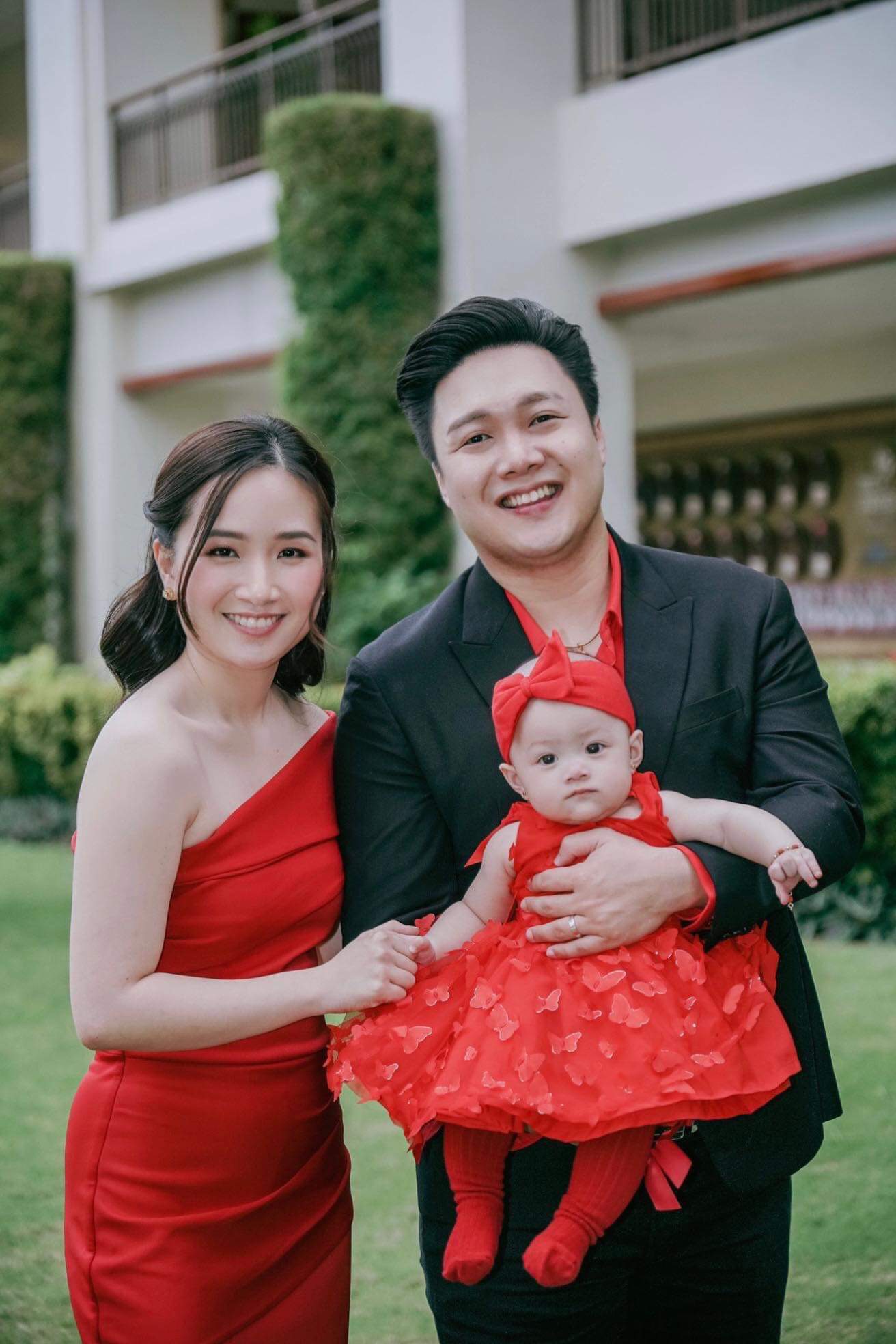
Embracing One’s Culture Through Hookien
For Chinoy families, speaking Hokkien at home is not just about learning vocabulary or grammar. It is about keeping traditions, values, and family connections alive across generations.
Through everyday conversations, stories, humor, and shared experiences, language becomes a way for children to embrace who they are and where they come from. Learning multiple languages can also open more opportunities in the future. By continuing to speak and teach Hokkien at home, families help ensure that Chinoy culture remains alive and meaningful for future generations.
About the Author
