
How Forgotten Island and Demonyito Demonyita by Anthony Shieh Empowers Philippine Folklore
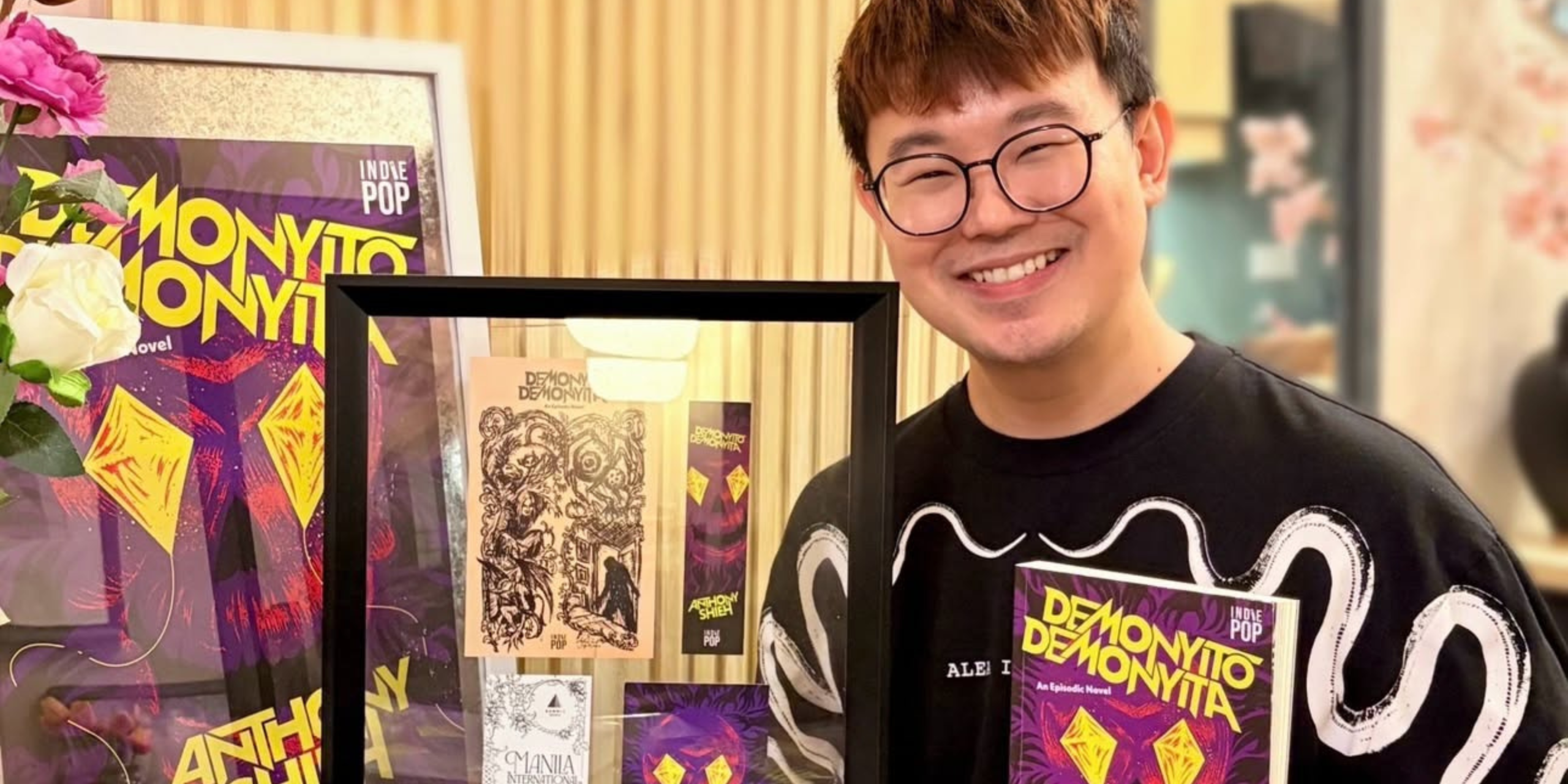
DreamWorks’ recent animated film and Anthony Shieh’s book brings Filipino mythical creatures and regional traditions to life through stories of friendship, family, and grief.
Aside from its natural resources, the Philippines is rich in folklore, mythology, and legends passed down from generation to generation. These stories, shared from one loved one to another, have inspired creative works such as DreamWorks Animation’s Forgotten Island and Demonyito Demonyita by Anthony Shieh, published by Indie Pop.
In both works, Filipino mythological creatures take the spotlight. The pages of Demonyito Demonyita feature creatures like the wakwak, balbal, and mambabarang. In Forgotten Island, viewers encounter the manananggal, tiyanak, and duwende.
But representing these creatures is more than an act of inclusion. Telling their stories is also a way of expressing love for the Filipino people. Shieh once shared, “Our folklore can be a vehicle for social commentary. Our traditional supernatural beings represent societal fears, human weaknesses, cultural conflicts, and the realities we experience as Filipinos.”
Here’s a closer look at how both works bring Filipino folklore to life and give audiences reason to feel proud of it.
Read More: Anthony Shieh: On Finding Strength in Poetry and Arts
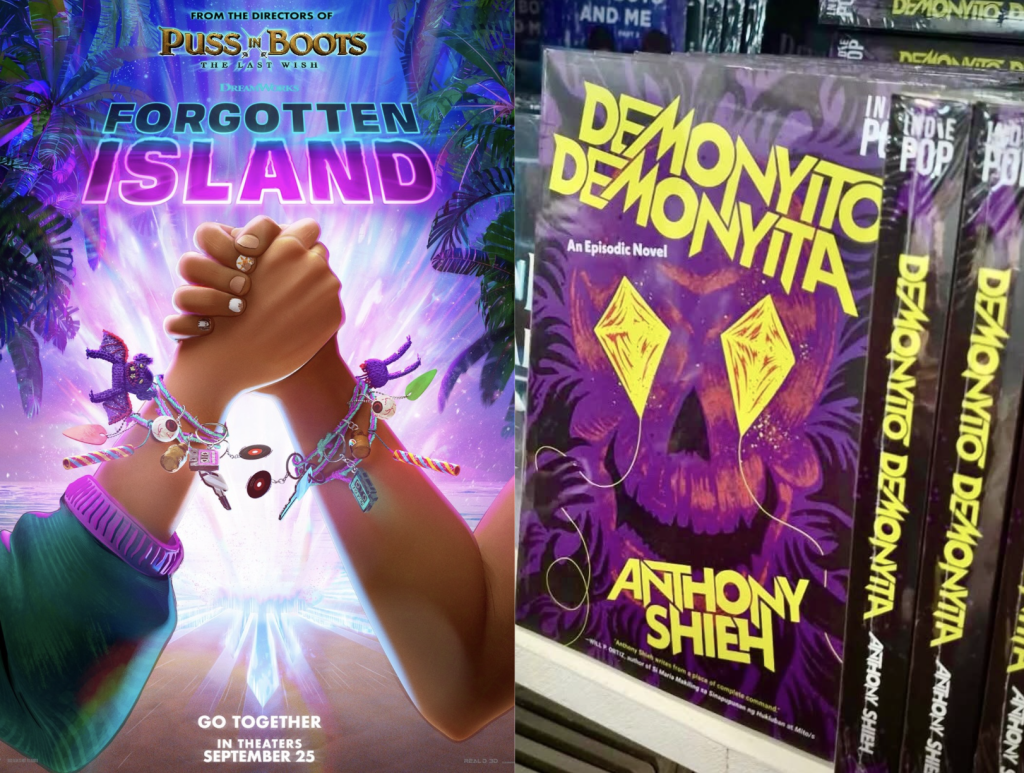
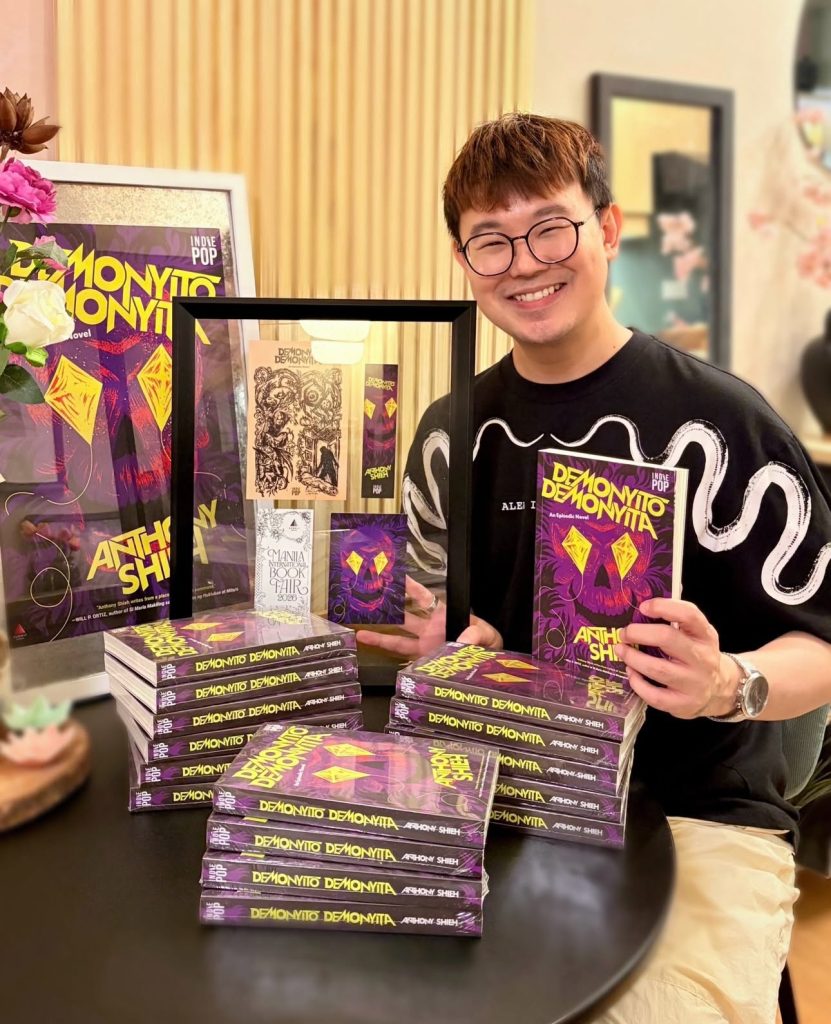
Photo from Forgotten Island Movie Instragram and Anthony Shieh Facebook page
The Similarities Between Forgotten Island and Demonyito Demonyita
In Forgotten Island, Jo and Raissa’s story shows the power of friendship. In Demonyito Demonyita, Popoy forms a strong bond with his younger brother. Without giving away too much of either plot, both stories show how folklore can carry deeper meaning.
Shieh explained, “What I particularly love about Filipino folklore is that there’s always something deeper behind the stories, which reflect our beliefs, values, fears, and experiences. They can teach us about bravery, friendship, identity, and even how we understand society.”
Both stories center on meaningful relationships, whether between friends or family members, and use them to create compelling folkloric narratives.
The stories also bring together mythical creatures from different parts of the Philippines. In Forgotten Island, there’s Batibat, an ancient tree-dwelling female spirit from Ilocano folklore said to cause nightmares. Demonyito Demonyita features the Dalaketnon, a noble, elf-like environmental spirit, or engkanto, from Visayan folklore.
Shieh added, “Representation was another important consideration. I made a conscious effort to include beings associated with Luzon, Visayas, and Mindanao since each island group has its own supernatural traditions, and I wanted to honor that diversity.”
When readers and viewers feel emotionally and culturally connected to a story, it can become a tale shared with future generations.
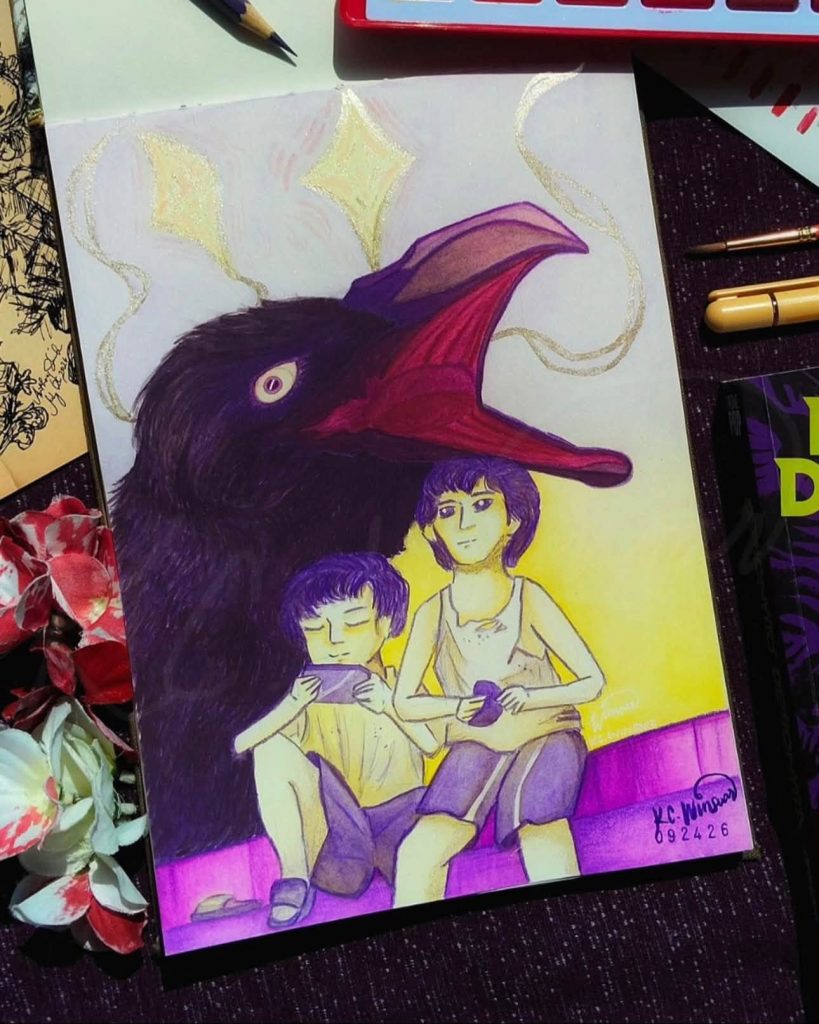
Popoy and Peewee from Demonyito Demonyita | Artwork by KC Winsoar
Grief as a Central Theme
Loss plays a major part in both stories. Grief over a loved one is one of the elements that makes each story moving. Jo’s grief makes her more determined to prove the existence of Nakali Island, while Popoy’s grief makes him more inclined to believe in the supernatural world around him.
Shieh believes death and folklore have always shared an intimate relationship. He added, “We have so many beliefs, rituals, superstitions, and traditions surrounding death, and many of them come from our desire to understand what happens to the people we lose and what remains of them after they’ve passed.”
Grief is universal, Shieh explained, and people can experience other devastating forms of loss. We grieve the loss of friendships, identities, self-worth, peace, and even the versions of ourselves we can no longer become.
“The human mind was merciful that way; it blinded itself before madness could settle in properly.”
He added, “Possibly, that’s one of the strongest connections between the two stories. They explore the many ways people experience loss and the different ways they learn to live with it. Much like love, grief has many forms, and neither can be contained in a single definition.”
Perhaps this is why death recurs in both stories: the dead never truly disappear. They become part of the stories that give birth to folklore.
Finally, he added, “Conceivably, this is one way we defy mortality, by allowing someone’s stories to outlive their storyteller.” By preserving the memories of the people who once told these stories, we continue to hold them dearly in our hearts.
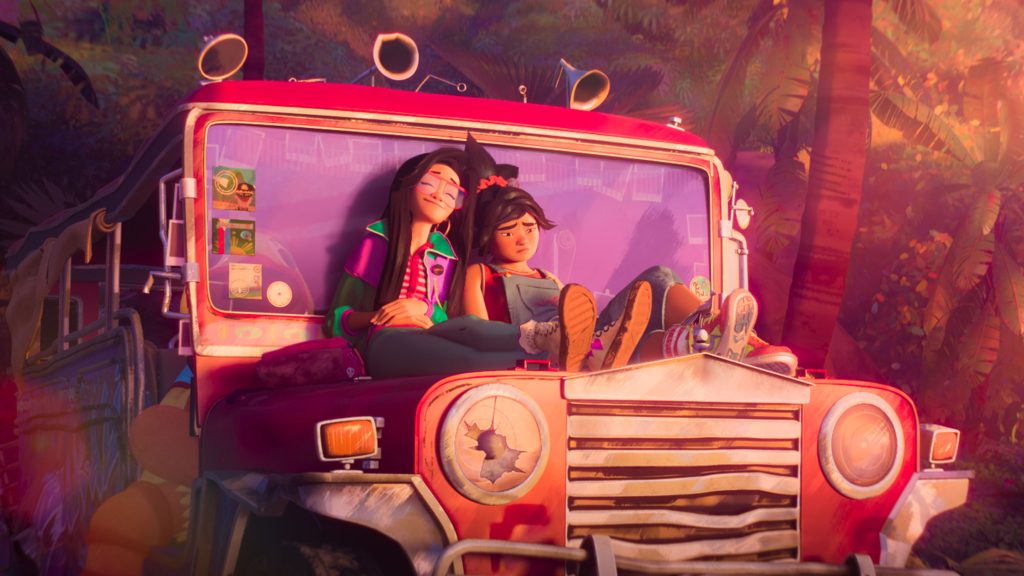
Jo and Raissa | Photo from Forgotten Island official website
Telling Folklore Stories to Continue a Legacy
As long as there’s love in your heart, the legacy of storytelling can live on. Shieh’s relationship with his mother reflects this idea. He shared, “I always say that love goes beyond time, and I personally believe that because I still feel my mother’s presence even though she passed away many years ago. The relationship between a mother and her son doesn’t end with death.”
That enduring love has helped inspire a legacy: stories like Demonyito Demonyita that can be passed on to Filipinos at home and abroad.
Like Forgotten Island, the book has resonated with Filipinos around the world who want to reconnect with their roots. The care its creators put into the film has also introduced many Filipinos to their own folklore.
Shieh added, “I also think about Filipinos living overseas, particularly those who may have grown up disconnected from certain aspects of our culture. Our folklore can help them rediscover their roots and establish a deeper connection with their Filipino heritage.”
“The creature’s wings snapped open, and it plummeted like a gunshot, and a sudden gust slammed into their backs, wrenching their hands apart. It was its way of declaring that they were the prey—and it, the predator.”
When modern Filipino writers and filmmakers incorporate folklore into their work, they help preserve what ancestors and elders shared. A culture that continues to tell its stories remembers where it came from.
“Forgotten Island was once a manuscript; Demonyito Demonyita was once a collection of scribbles in a notebook. Both began as ideas nurtured by people who genuinely love Filipino culture and folklore.”
The stories of Forgotten Island and Demonyito Demonyita may outlive their creators because of the love that went into making them. A legacy born out of love can endure for generations.
Bringing Pride to Filipino Culture
Loving something can bring a sense of pride that you carry wherever you go. Watching and reading Filipino folklore come to life can deepen our appreciation for our culture.
As Shieh shared, “Being Filipino means knowing how to survive, how to care for others, how to find meaning in the stories we inherit, and I’m proud that I can share it through my writing.”
Both works show how Filipino artistry can pair emotional storytelling with cultural themes.
Shieh hopes that “Demonyito Demonyita” will someday be adapted into a movie or series that will continue to make Filipinos proud of the culture and supernatural traditions they grew up with.
He also hopes his book will reach classrooms across the Philippines and be translated into the many languages spoken in the country, allowing children to discover the richness of Filipino folklore.
He hopes Forgotten Island will have a similar impact.